
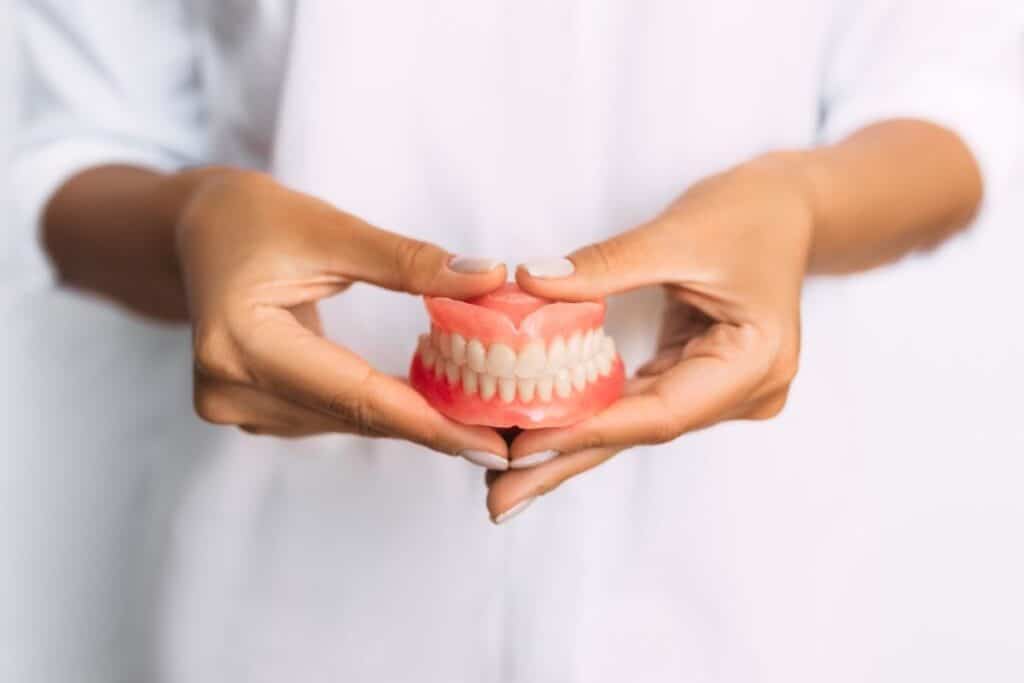
Dentures can be a life-changing solution for those with missing teeth, restoring confidence and functionality to your smile. However, keeping them clean is essential to maintain their appearance, ensure oral health, and extend their lifespan. Improper cleaning can lead to stains, bad breath, or even infections. In this guide, we’ll explore the best ways to clean dentures, offering practical tips and expert advice to help you care for your dental prosthetics effectively. Whether you’re new to dentures or a long-time wearer, these strategies will keep your smile bright and healthy.
Why Cleaning Dentures Matters
Dentures, like natural teeth, accumulate plaque, tartar, and food particles. If not cleaned properly, this buildup can cause gum irritation, bacterial growth, or oral infections. Poor hygiene may also lead to denture stomatitis, a fungal infection that causes soreness and inflammation. Regular cleaning prevents these issues, ensuring your mouth stays healthy and your dentures look their best. Plus, a clean set of dentures boosts your confidence when speaking or eating in social settings. Let’s dive into the most effective cleaning methods.
Step-by-Step Guide to Cleaning Dentures
Maintaining dentures doesn’t have to be complicated. Follow these simple steps to keep them in top condition.
Step 1: Rinse After Eating
After meals, remove your dentures and rinse them under lukewarm water. This removes loose food particles and prevents staining. Avoid hot water, as it can warp the denture material.
Step 2: Brush Daily with a Soft Brush
Use a soft-bristled denture brush or a toothbrush to clean all surfaces of your dentures. Regular toothpaste can be too abrasive, so opt for a denture cleaner or mild dish soap. Gently scrub to remove plaque and debris without scratching the surface.
Step 3: Soak Overnight
Dentures need to stay moist to maintain their shape. Soak them overnight in a denture cleaning solution or water. Many solutions contain enzymes that break down plaque and kill bacteria. Follow the product instructions for the best results.
Step 4: Clean Your Mouth Too
While your dentures soak, brush your gums, tongue, and palate with a soft toothbrush. This removes bacteria and keeps your oral tissues healthy. Rinse with a non-alcoholic mouthwash to freshen your breath.
Step 5: Handle with Care
Dentures can break if dropped. When cleaning, place a towel over the sink or fill it with water to cushion any accidental falls. Always handle them gently to avoid damage.
Tools and Products for Effective Denture Cleaning
Using the right tools makes a big difference. Here are some essentials for denture care:
- Denture Brush: Designed with soft bristles to clean without scratching.
- Denture Cleanser: Tablets or solutions that disinfect and remove stains.
- Ultrasonic Cleaner: A device that uses sound waves to deep-clean dentures (optional but effective).
- Non-Abrasive Cleaner: Mild soap or denture-specific pastes to avoid surface damage.
Avoid using bleach, as it can weaken dentures or alter their color. Also, steer clear of hard-bristled brushes, which may cause scratches where bacteria can grow.
Common Mistakes to Avoid When Cleaning Dentures
Even with the best intentions, some habits can harm your dentures. Avoid these pitfalls:
- Using Hot Water: High temperatures can warp the denture material, affecting the fit.
- Skipping Soaking: Letting dentures dry out can cause them to crack or lose shape.
- Using Abrasive Cleaners: Harsh chemicals or toothpaste can scratch the surface, leading to bacterial buildup.
- Not Cleaning Your Mouth: Ignoring oral hygiene can lead to infections, even with clean dentures.
Being mindful of these mistakes ensures your dentures stay functional and comfortable.
Local Care Tips for Dentures in Artesia, NM
For those with dentures in Artesia, NM, proper care is especially important due to the region’s hard water, which can leave mineral deposits on prosthetics. Rinse thoroughly after soaking to prevent buildup. Additionally, visiting a dentist for regular checkups can help ensure your dentures fit well and your oral health remains optimal. A local professional can also recommend cleaning products suited to your specific needs, ensuring your dentures stay in great shape year-round.
Trending FAQs on Denture Cleaning
Here are some frequently asked questions about denture cleaning, sourced from popular Google searches:
- How often should I clean my dentures? You should rinse them after every meal and brush them at least once daily. Soaking overnight is also recommended.
- Can I use vinegar to clean my dentures? Yes, a 1:1 mix of vinegar and water can remove tartar, but don’t use it daily as it may be too acidic over time.
- Is it safe to sleep with dentures in? It’s best to remove them at night to let your gums rest and reduce the risk of infection.
- How do I remove tough stains from dentures? Soak them in a denture cleanser or a vinegar-water solution, then gently brush with a soft brush.
These answers address common concerns, helping you care for your dentures with confidence.
Additional Tips for Long-Term Denture Care
Beyond daily cleaning, a few habits can extend the life of your dentures:
- Regular Dental Checkups: A dentist in Artesia, NM, can check for wear, fit issues, or damage.
- Avoid Hard Foods: Biting into hard items like nuts or ice can crack dentures.
- Stay Hydrated: Dry mouth can increase bacterial growth, so drink plenty of water.
- Store Properly: When not in use, keep dentures in a soaking solution to prevent drying out.
These practices complement your cleaning routine, ensuring your dentures remain comfortable and functional.
The Role of Oral Hygiene in Denture Maintenance
Cleaning your dentures is only half the battle. Maintaining good oral hygiene prevents infections like gum disease or thrush. Brush your gums and tongue daily to remove bacteria. Use a mouthwash to keep your mouth fresh, but avoid alcohol-based products, as they can dry out your tissues. If you notice irritation, soreness, or unusual odors, consult a dental professional promptly. Healthy gums provide a better foundation for your dentures, improving comfort and fit.
When to Replace or Repair Dentures
Even with excellent care, dentures don’t last forever. Over time, they may become loose due to changes in your jawbone or wear out from daily use. If you notice cracks, persistent discomfort, or difficulty chewing, it may be time for a repair or replacement. A dental professional can assess whether relining, rebasing, or getting a new set is the best option. Regular checkups help catch these issues early, ensuring your dentures continue to serve you well.
Keep Your Dentures Sparkling and Your Smile Confident
Proper denture care is the key to a healthy mouth and a confident smile. By following the steps outlined in this guide—rinsing after meals, brushing daily, soaking overnight, and maintaining oral hygiene—you can keep your dentures in excellent condition. Avoiding common mistakes and using the right tools will also go a long way. With consistent care and regular dental visits, your dentures can remain a reliable part of your daily life, letting you eat, speak, and smile with ease. Take charge of your oral health today for a brighter tomorrow!